



Proud Installer of James Hardie® Siding
We install James Hardie® fiber cement siding — the trusted, durable choice built to stand up to San Antonio weather.
When siding starts to crack, warp, loosen, rot, or pull away, it becomes more than just a cosmetic issue. It becomes a protection issue.
That is usually when the questions start.
- Do you need a full replacement, or can the damage be repaired?
- Will the new section match the rest of the home?
- Is this a small problem, or the start of a larger one?
At Zooby Neighborhood Superheroes, we believe siding work should begin with clarity, not pressure.
We inspect the damaged area, explain what we see, and help you understand whether a focused repair makes sense or whether replacement is the better long-term move. Some homes only need a repair. Others need more. Either way, you deserve a clear answer before making a decision.
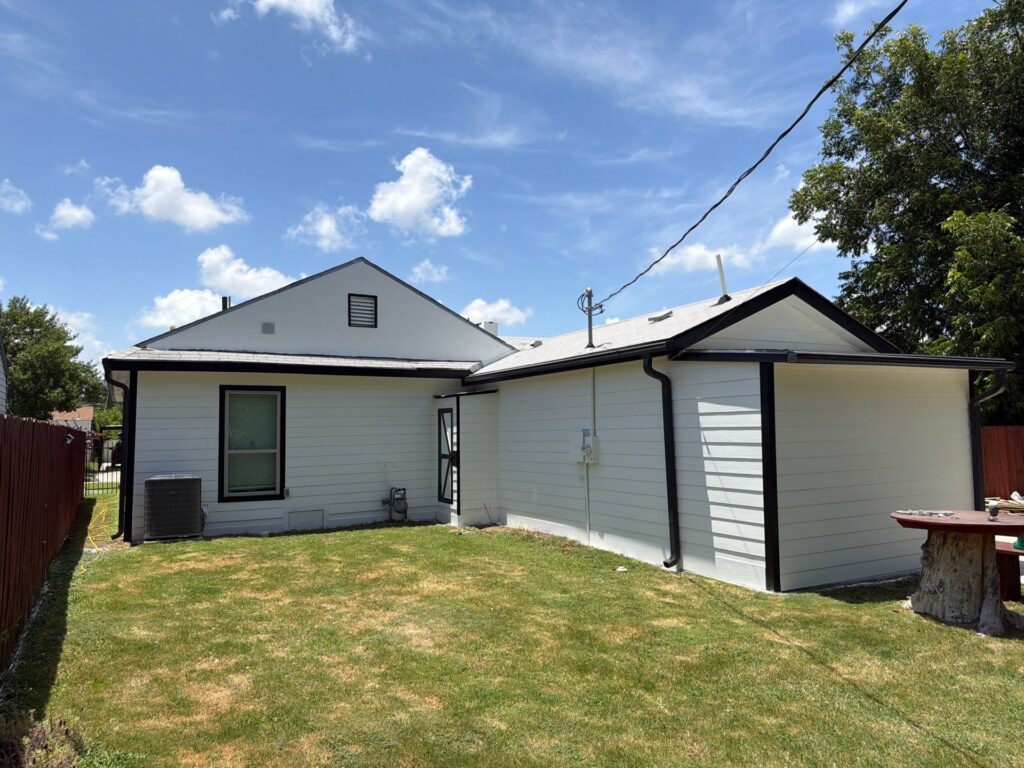
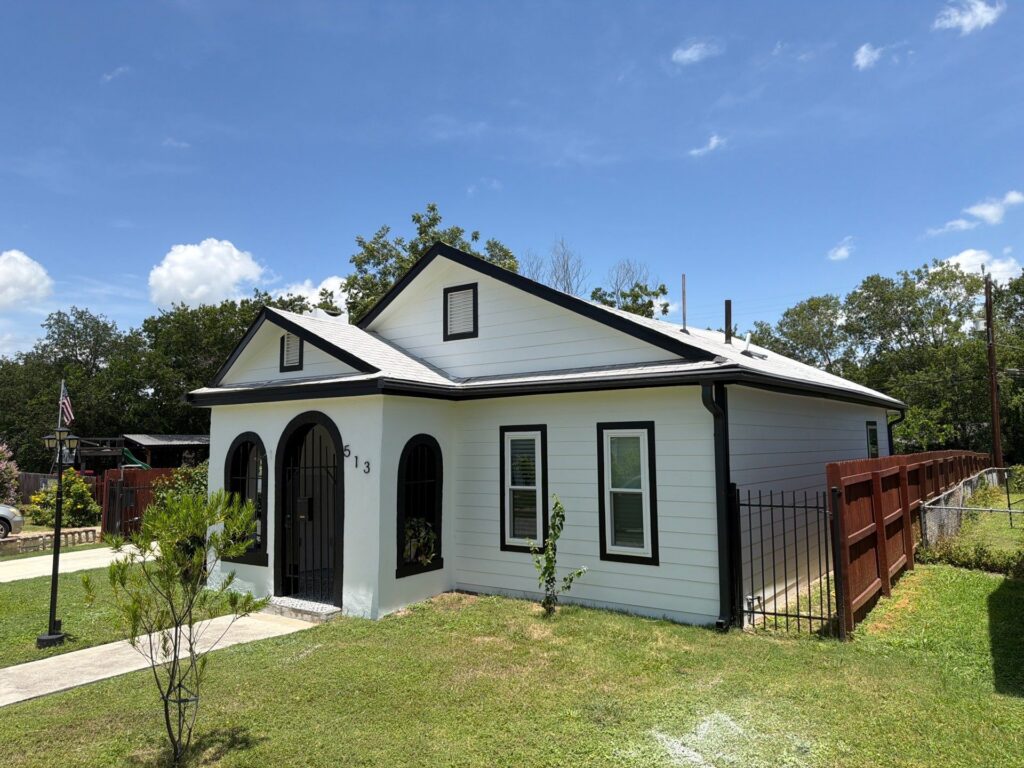
A Real San Antonio Siding Transformation
See the difference new James Hardie® siding makes — from worn out to wow.
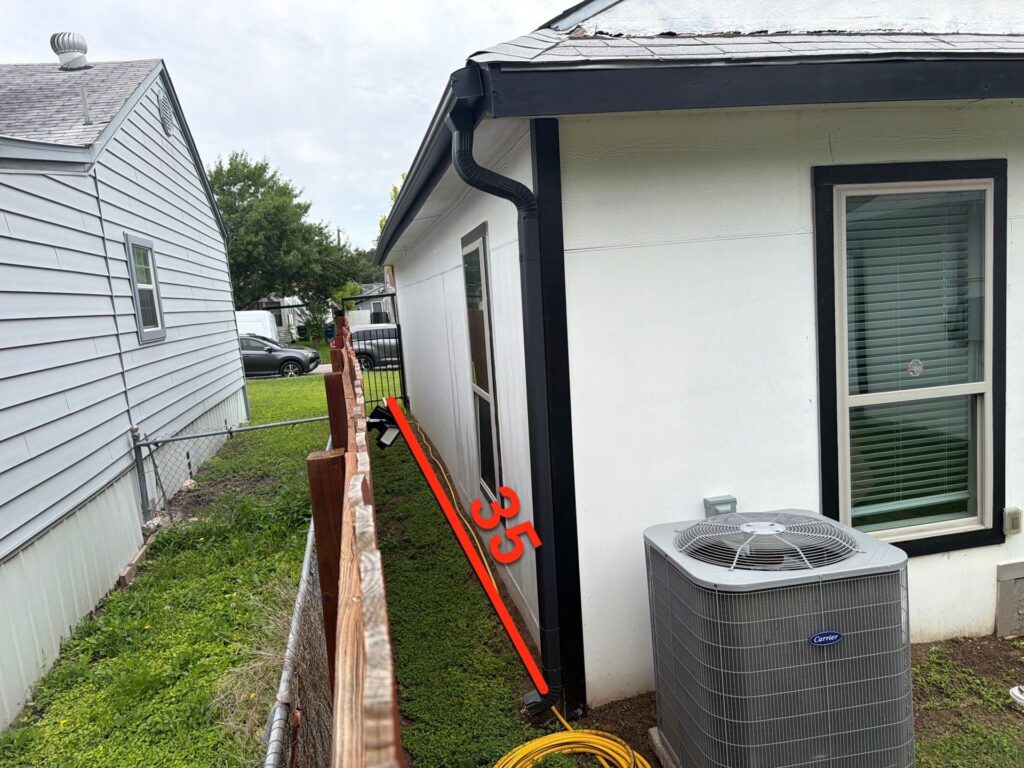
Another one, this time a full panel replacement on a gable end.
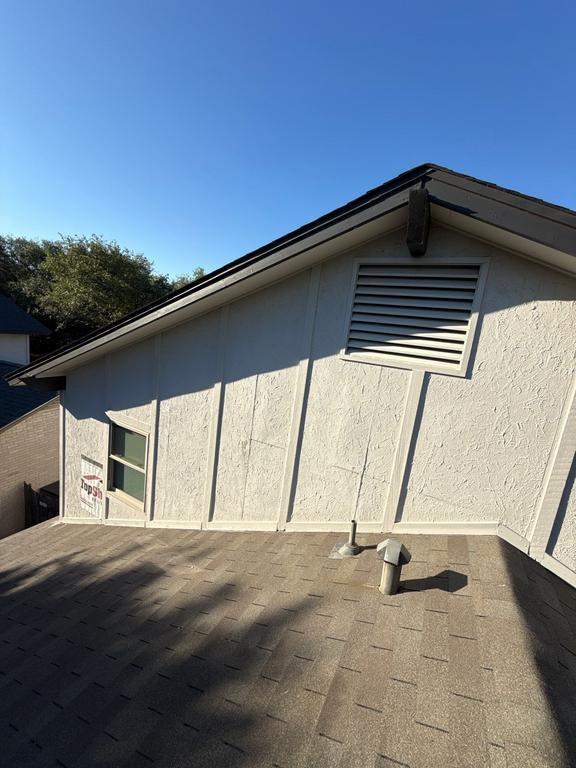
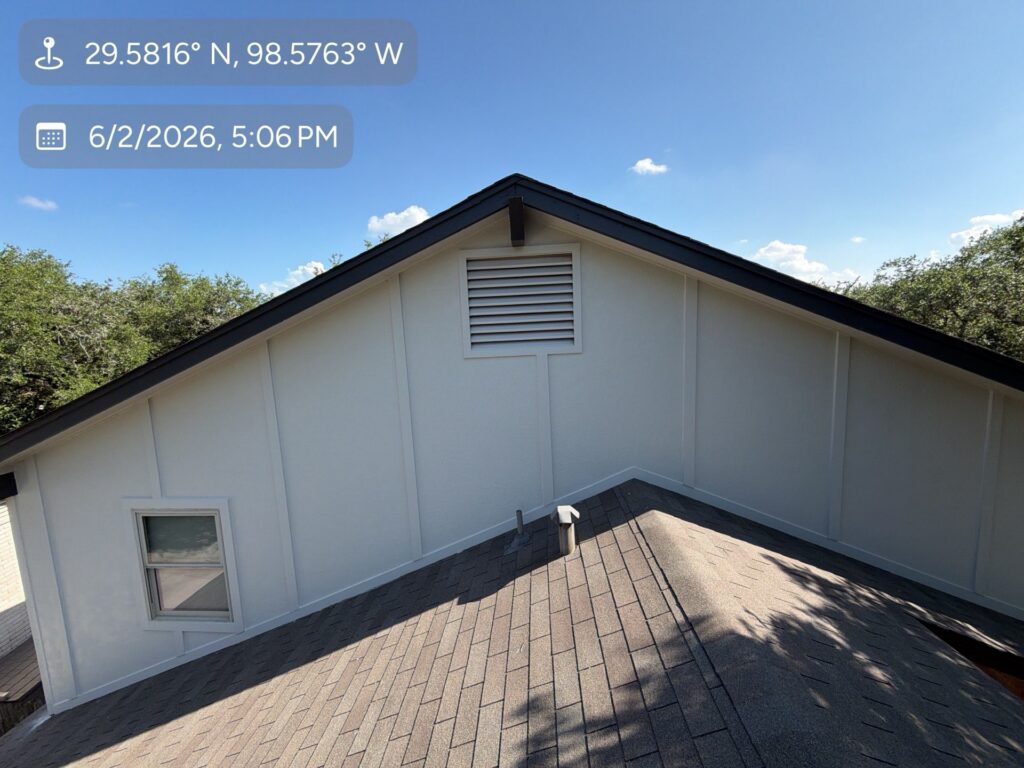
Siding Repair and Replacement, Done with Care.
Zooby provides siding services to San Antonio homeowners seeking honest guidance and clean, dependable exterior work.
- Siding repair for damaged sections
- Like-for-like siding replacement when possible
- Replacement for larger failed areas
- Trim and exterior detail work around the repair
- Finishing work designed to blend with the existing exterior
Our goal is simple. Fix what needs to be fixed, protect the home, and leave your exterior looking clean, solid, and well cared for.
When Siding Repair Makes Sense.
Siding problems do not always affect the whole house at once.
Sometimes it is one section damaged by a storm. Sometimes it is one wall where moisture got in. Sometimes it is an area near a window, corner, or roofline that has begun to deteriorate.
If the rest of the siding is still in good working condition, a repair may be the right next step.
- Replacing cracked or broken pieces
- Repairing loose or detached sections
- Addressing localized rot or moisture damage
- Repairing trim areas that affect the siding system
- Finishing the repaired section to match as closely as possible
If a repair is the smart fix, we will let you know.
When Siding Replacement Makes More Sense.
Sometimes the problem goes beyond one damaged spot.
If the siding is failing in multiple areas, showing signs of age, or no longer protecting the home as it should, replacing larger sections or the full siding system may be the better investment.
- Damage appears in multiple areas
- Existing siding is brittle, warped, or breaking down
- Moisture has affected the materials underneath
- Matching the old material is no longer realistic
- A patch would only delay a larger repair
Our job is not to sell you the biggest project.
Our job is to help you make the right decision for your home.
Why It Pays to Address Siding Problems Early.
Small siding issues rarely stay small for long.
A crack or open seam can let in moisture. Loose siding can expose vulnerable areas underneath. Damaged edges and trim can require more extensive repairs if ignored.
- Protect the exterior of the home
- Reduce the risk of hidden moisture damage
- Improve curb appeal
- Prevent a smaller repair from becoming a larger project later
What to Expect from Zooby Neighborhood Superheroes.
We keep the process straightforward.
First, we inspect the affected areas. Then we explain what we found. After that, we recommend the repair or replacement path that makes the most sense for your home.
If the damage is limited, we will say so.
If the issue is more widespread, we will explain why.
Either way, you will walk away with a clearer understanding of what your home needs and the next step.
Siding Services for San Antonio Homeowners.
San Antonio homes take a beating from the sun, heat, storms, and changing moisture conditions. Over time, that wear shows on the exterior, and siding problems are among the clearest signs your home may need attention.
If your siding is damaged, loose, deteriorating, or simply not looking the way it should, Zooby can help you evaluate the next step with confidence.
WHAT OUR NEIGHBORS SAY
The Zooby guys fixed and replaced siding on my home and did a great job. The house looks so much better now every time I pull up the driveway. The crew was friendly, worked hard, and cleaned up when they were done. I’m very happy with how it turned out.
— Ramon R., Cibolo, TX
James Hardie Fiber Cement Siding, and Why San Antonio Homes Use It.
Fiber cement is not wood and it is not vinyl, and it does not fail like either one.
James Hardie boards are made from Portland cement, sand, water, and cellulose fiber. That mix is why the material behaves the way it does on a San Antonio exterior. There is nothing in it for termites to eat. It is non-combustible, and the manufacturer states it meets ASTM E136 as a non-combustible cladding. It also stays dimensionally stable in heat, which is the real reason paint tends to last longer on it than on wood that swells and shrinks through the season.
It is also heavier and more brittle than wood, and that changes how it gets repaired. Fiber cement cracks rather than dents. Boards have to be cut and fastened a particular way or the repair telegraphs. Butt joints need flashing behind them. Cut edges need to be sealed. None of that is difficult, but it is the difference between a repair that disappears and one you can spot from the driveway.
- Cracked or chipped boards, especially near fasteners
- Butt joints where the flashing behind has slipped or was never there
- Caulk that has pulled away at windows, doors, and trim
- Cut edges that were never sealed and have started to wick moisture
- Boards installed too tight to the roofline or too close to grade
- Paint failure that signals a moisture problem behind the board, not a paint problem
Zooby is a proud installer of James Hardie fiber cement siding. If your home already has it, we can usually repair a failed section rather than replace a whole elevation. If your home has older wood or composite siding that keeps needing attention, we will tell you honestly whether moving to fiber cement is worth it for your situation, or whether you are better off repairing what you have.
Siding Repair Across San Antonio.
Siding tends to fail in the same handful of places.
At seams. Around windows. Along the roofline. At corners and transitions. Low on the wall where sprinklers hit the same spot every morning. What changes from home to home is the material underneath and how much of it has actually failed, and that is not something anyone can tell you over the phone.
That is what the free inspection is for. We look, we photograph what we find, and we tell you whether you are looking at a section repair or something larger. Zooby is family owned, based in San Antonio, and accredited with the Better Business Bureau.
Alamo Heights · Alamo Ranch · Canyon Springs · Champions Ridge · Deerfield · Elm Creek · Encino Park · Fair Oaks Ranch · Hill Country Village · Inwood · Mahncke Park · Monte Vista · Oak Park Northwood · Olmos Park · Scenic Oaks · Shavano Park · Sonterra · Stone Oak · Terrell Heights · Terrell Hills · The Dominion · Waterford Heights
Questions San Antonio Homeowners Ask Us About Siding.
Can you repair just one section, or do I have to redo the whole house?
Usually just the section, as long as the rest of the siding is still doing its job. A single wall damaged by a storm, one area near a window, or a run of boards low to the ground are all normally repairable. What pushes a job toward replacement is damage showing up in several unrelated places at once, because that usually means the material itself is at the end of its life rather than one spot having taken a hit.
Will the repair match the rest of my house?
That depends on two things: whether the original profile is still made, and how much the existing paint has weathered. Profile is usually solvable. Color is the harder half, because paint on a sun-facing wall shifts over time, so a perfect factory match can still read as a patch. When that is the case we will tell you up front, and often the honest answer is to repair the section and repaint the full elevation so the wall reads as one surface.
My siding looks fine but the paint keeps failing in one spot. Is that a siding problem?
Often, yes. Paint that blisters, peels, or goes chalky in the same place after being redone is usually telling you moisture is getting behind the board and pushing back out. Repainting it again treats the symptom. Worth having someone look behind it before you spend money on the surface twice.
Do you handle the trim and the detail work around the repair?
Yes. Trim, corners, and the joints around windows and doors are frequently where the problem actually started, so repairing the field boards without addressing them tends to put you back in the same position. We include the detail work around the repair as part of the job.
How urgent is this?
If you can see an opening into the wall, a board that has come loose, or anything soft to the touch, that is worth looking at soon rather than after the next storm, because those are the paths water uses to get to the material behind the siding. Cosmetic cracking with everything still sealed and fastened is far less time sensitive. If you are not sure which one you have, that is exactly what a free inspection answers.
What does siding repair cost?
It comes down to three things: how much of the wall is affected, what the siding is made of, and whether anything behind the board has been damaged. One section on a single elevation is a very different job from boards failing in several unrelated places. We do not put a number on it before we have looked, because the honest answer often changes once the damaged area is opened up and we can see how far the water travelled. The inspection is free, and you get the number before any work starts.
Will homeowners insurance cover siding repair?
Sometimes. Insurance generally responds to sudden, identifiable damage such as a storm, hail, or a falling limb, and generally does not respond to wear, age, or moisture that has been building for years. What usually decides it is documentation: what the damage is, when it happened, and what caused it. We photograph what we find during the inspection and give you that record whether or not you decide to file. Your carrier is the one who approves a claim, not us, so we will not tell you something is covered before they do.
What happens when Zooby comes out?
We inspect the affected areas, photograph what we find, and walk you through it. Then we tell you whether a repair or a replacement fits, and why. If the damage is limited, we will say so. There is no charge for the inspection and no obligation afterwards.
Schedule a Visit for Siding Repair or Replacement.
Call (210) 526-4007 to schedule a visit, review your options, and discuss pricing.