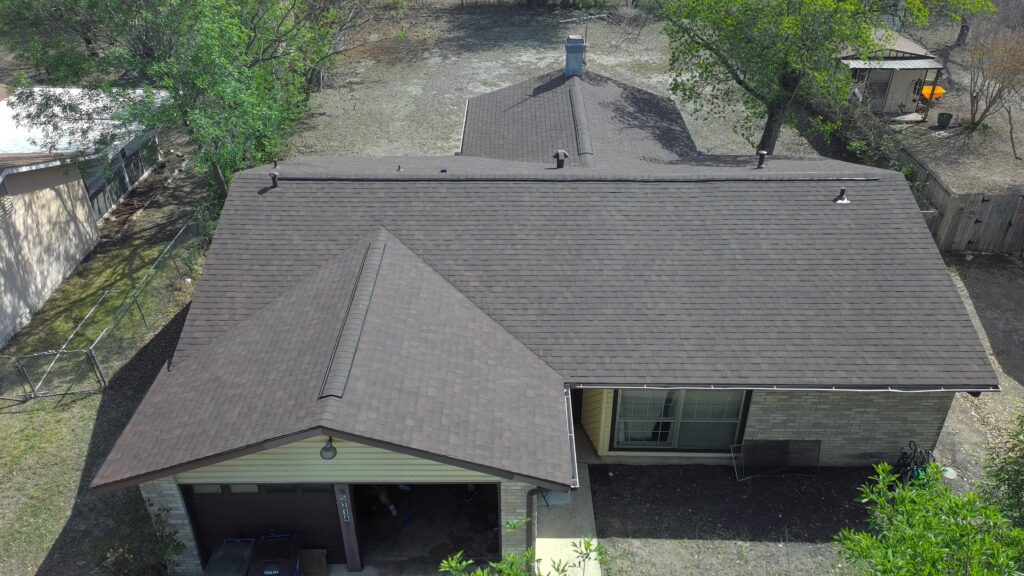
What’s Damaging Your Roof? A San Antonio Homeowner’s Guide to Inspection, Repair, and Zoobification
Your roof takes a beating long before the next big hailstorm shows up.
In San Antonio, roofs endure months of intense heat, harsh UV exposure, sudden wind gusts, heavy rain, tree debris, clogged gutters, poor attic ventilation, foot traffic, installation issues, and age. Some damage happens quickly during a storm. Much of it happens slowly, day after day, until the roof is weaker than it looks from the street.
That is why roof damage can be easy to miss. A roof may look fine from the driveway while shingles are drying out, losing granules, lifting at the edges, or forming small weak spots around vents, flashing, and pipe boots. By the time water appears inside the home, the roof may have been vulnerable for months or even years.
A dry or aging asphalt shingle roof does not always mean replacement is the only answer. Sometimes a targeted repair is enough. Sometimes an aging roof may qualify for Zoobification, Zooby’s life-extending option for asphalt shingle roofs with remaining useful life. And sometimes replacement is the responsible choice.
That is why Zooby starts with an inspection. Once we understand what is happening on your roof, we can help you decide whether the next step should be roof repair, Zoobification for a qualifying roof, or roof replacement
when the roof is no longer a good candidate for repair or Zoobification.
What damages a roof in San Antonio?
The most common causes of roof damage in San Antonio are heat, UV exposure, wind, hail, heavy rain, tree limbs, clogged gutters, poor attic ventilation, poor installation, foot traffic, and age. Each one affects the roof differently, but the bigger problem often begins when several of them overlap.
A roof that has spent years baking in the Texas sun may be more brittle when hail hits. A roof with lifted shingles may be more likely to leak during heavy rain. A roof with poor ventilation may deteriorate faster from the underside, even if the shingles look normal from the ground.
Roof damage is rarely caused by a single factor. It is usually the result of many forces working against the roof over time.
The good news is that roof damage does not always mean replacement. Once the roof is inspected, some problems can be repaired, and some aging asphalt shingle roofs may qualify for Zoobification.
Heat can dry out asphalt shingles.
San Antonio heat is hard on asphalt shingles. Over time, high temperatures can dry out shingles and reduce their flexibility. A healthy shingle should have some give. An aging shingle may become brittle, curl, crack, or lose protective granules.
That matters because brittle shingles are more easily damaged by wind, hail, and foot traffic. Many homeowners assume their roof is fine because it is not leaking, but a roof can weaken long before it fails.
Dry or brittle shingles do not automatically mean the roof has to be replaced. The roof needs to be inspected first. Depending on its condition, the right answer may be repair, Zoobification for a qualifying roof, or replacement if the roof is too far gone.
UV exposure wears down the roof surface.
Sunlight does more than heat the roof. UV exposure gradually breaks down roofing materials, especially when protective granules wear off asphalt shingles. Those granules help shield the asphalt layer underneath from sunlight and weather. When granules are lost, more UV radiation can reach the asphalt, accelerating wear. InterNACHI notes that granule loss allows more UV radiation to reach the asphalt layer beneath shingles. (nachi.org)
Granule loss can show up as bare-looking patches, loose granules in gutters or near downspouts, or shingles that look faded, thin, or uneven. It does not always mean the roof needs to be replaced right away, but it does mean the roof should be evaluated.
Depending on the condition of the roof, the best path may be repair, Zoobification, or replacement.
Wind can lift shingles and weaken seals.
Wind damage is not always obvious. A strong wind event can lift shingles, weaken seals, bend flashing, expose nail heads, or create small openings that allow water to enter later. The shingle may still be attached, but that does not always mean it is sealed correctly.
This is one reason homeowners should not rely only on what they can see from the ground. Wind can cause subtle damage at first, then become a bigger problem during the next heavy rain.
If the damage is localized, repair may be enough. If the roof is older and the shingles are losing flexibility, Zoobification may be worth discussing if the roof qualifies. If the wind damage is widespread or the roof is too brittle, replacement may be the safer option.
Hail can bruise, crack, and weaken roofing materials.
Hail can cause serious roof damage in a short amount of time. It can bruise shingles, knock away granules, crack roofing materials, damage vents, dent metal components, and create weak spots that may not leak immediately.
The Insurance Institute for Business & Home Safety says annual hail losses routinely exceed $10 billion, and damage from a single hailstorm hitting a large city can reach $1 billion. (ibhs.org)
Scientists are still learning how hail behaves. NOAA’s National Severe Storms Laboratory has reported on a hail camera system that captures 4K footage at 330 frames per second, helping researchers measure hailstone depth, size, and in-flight velocity. (inside.nssl.noaa.gov)
Hail deserves attention, but the key question is not only whether hail hit the roof. The better question is what condition the roof was in before hail arrived. An older, dry, brittle roof may sustain more damage than a roof that is still flexible and well maintained.
Heavy rain finds weak spots.
Rain often reveals problems that were already there. A healthy roof is designed to shed water, but if shingles are lifted, flashing is weak, pipe boots are cracked, valleys are clogged, or sealants have failed, heavy rain can find the opening.
A leak after a storm does not always mean the storm created the entire problem. Sometimes the storm simply exposes the weakest part of the roof system.
Common rain-related trouble spots include roof valleys, vents, skylights, chimneys, pipe boots, flashing, and roof edges. If a leak appears, the roof should be inspected quickly because small water problems rarely stay small.
Tree limbs and debris can damage shingles.
Trees can add shade and curb appeal, but they can also create roof problems. Branches that rub against shingles can scrape away granules. Falling limbs can puncture the roof. Leaves and debris can collect in valleys or gutters, holding moisture where water should be moving away from the home.
Even without a major storm, slow abrasion from branches can weaken shingles over time. Homeowners should keep branches trimmed away from the roof and have roof areas checked where limbs have been touching or hanging overhead.
Clogged gutters can create roof-edge problems.
Gutters are part of the roof’s drainage system. When they clog, water may overflow, back up near the roof edge, or collect around the fascia and soffit. Over time, that moisture can contribute to wood rot, staining, and roof-edge problems.
A roof is not only about shingles. It is about correctly directing water away from the home. If gutters are clogged or pulling away from the house, the roof edge should be inspected for signs of damage.
Poor attic ventilation can shorten roof life.
Your roof can be damaged from underneath, too. Poor attic ventilation can trap heat and moisture under the roof deck, which may contribute to premature shingle aging and other roof system problems.
Many homeowners think roof damage only comes from storms, but attic heat and moisture can quietly shorten a roof’s life from below. A proper roof inspection should consider ventilation, not just the condition of the shingles.
If ventilation is part of the problem, repairing shingles without addressing airflow may not solve the larger issue.
Poor installation can cause early roof failure.
Even good roofing materials can fail early if they were installed poorly. Common installation problems include improper nailing, weak flashing, poor underlayment, inadequate ventilation, misaligned shingles, and sloppy details around vents or roof penetrations.
These problems may not show up right away. A roof can look acceptable after installation and still develop leaks or premature wear years later. That is why the cheapest roof is not always the least expensive roof over time.
Quality installation matters. So does proper inspection when problems appear.
Foot traffic can damage older shingles.
Walking on a roof can cause damage, especially when shingles are hot, brittle, or aging. Foot traffic can loosen granules, break seals, crack shingles, or create wear in specific areas.
This matters because roofs are often walked on by satellite installers, solar crews, painters, gutter cleaners, inspectors, and other service providers. A roof is not a sidewalk, and every step can have an impact.
If several people have been on the roof over the years, or if work has been done around vents, gutters, satellite mounts, or solar equipment, those areas should be checked.
Age is one of the biggest roof risks.
Every roof ages. Shingles lose flexibility, sealants dry out, pipe boots crack, fasteners shift, granules wear away, flashing weakens, and small issues become easier for wind and rain to exploit.
Age does not automatically mean your roof needs replacement. It does mean the roof should be evaluated honestly. Some older roofs need targeted repair. Some aging roofs may qualify for Zoobification. Some roofs are too far gone and need to be replaced.
The right answer depends on the actual condition of the roof, not age alone.
Why roof inspections matter
A roof inspection gives homeowners a clear picture of what is happening before small problems become expensive surprises. A proper inspection can help identify storm damage, age-related wear, lifted shingles, granule loss, cracked pipe boots, vulnerable flashing, clogged valleys, ventilation issues, and other roof concerns.
For San Antonio homeowners, this is especially important because roof damage and insurance costs can collide. The Texas Department of Insurance explains that percentage deductibles are based on the insured value. In TDI’s example, a 5% deductible on a $150,000 home equals $7,500, and if roof repairs cost $6,500, the policy would not pay because the repair amount is less than the deductible. (tdi.texas.gov)
For example, a $350,000 insured home with a 2% wind or hail deductible could leave the homeowner responsible for $7,000 before insurance coverage applies.
That makes early clarity more important. The best time to understand your roof is before the next storm, not after you are facing damage, a deductible, and a rushed decision.
The Zooby way: inspect first, repair what is damaged, Zoobify when the roof qualifies
Zooby’s role is not to turn every roofing concern into a full replacement. The first step is inspection.
A proper roof inspection helps determine whether the roof has storm damage, age-related wear, lifted shingles, granule loss, vulnerable flashing, cracked pipe boots, ventilation issues, or other problems that may not be visible from the ground.
From there, Zooby helps homeowners understand the right next step. If the damage is isolated, repair may be the best answer. If the roof is aging but still structurally sound, Zoobification may help restore its flexibility and extend its useful life. If the roof is too damaged, too brittle, or no longer a good candidate for repair or Zoobification, replacement may be the responsible option.
The point is simple: inspect first, repair what can be repaired, Zoobify when the roof qualifies, and replace only when necessary.
What is Zoobification?
Zoobification is Zooby’s option for qualifying asphalt shingle roofs that are aging but still have useful life.
It is not for every roof, and that matters.
A roof should be inspected first. Damaged areas should be addressed. If the roof does not qualify, Zoobification should not be used as a shortcut to avoid a necessary replacement.
For qualifying roofs, Zoobification may help restore flexibility and extend the roof’s useful life. For roofs that are too damaged, too brittle, or too far gone, replacement may be the better answer.
The goal is not to force every homeowner into the same solution. The goal is to assess the roof’s condition and determine the most appropriate next step.
What should San Antonio homeowners do before the next storm?
San Antonio homeowners should take three practical steps before the next major storm.
First, have the roof inspected. Do not rely on what it looks like from the driveway.
Second, repair known damage before wind, rain, heat, or hail turn small weaknesses into larger problems.
Third, ask whether the roof qualifies for Zoobification if it is aging but still has life left in it.
A roof inspection gives you a baseline. That baseline matters if hail, wind, or heavy rain causes damage later. It also helps you avoid guessing. You will know whether your roof needs a simple repair, whether Zoobification is a good fit, or whether replacement is warranted.
When does a roof need repair?
A roof may need repair when the damage is limited to specific areas and the rest of the roof still has useful life. Common repair situations include missing shingles, lifted shingles, cracked pipe boots, small leaks, flashing issues, limited wind damage, isolated hail impact, or damage from branches and debris.
Repair is often the right answer when the roof is still in good enough condition to protect the home after the damaged areas are fixed.
When does a roof qualify for Zoobification?
A roof may qualify for Zoobification when it is aging but still structurally sound. The shingles should have enough remaining condition to benefit from Zoobification, and the roof should not be too brittle, too damaged, or already past the point where repair and Zoobification make sense.
That is why inspection comes first. Zoobification should be recommended only when the roof is a good candidate.
When does a roof need replacement?
A roof may need replacement when damage is widespread, shingles are too brittle, leaks are recurring, the roof has extensive storm damage, or the roof is no longer a responsible candidate for repair or Zoobification.
Replacement is not always the first answer, but sometimes it is the right answer. A good inspection should help homeowners understand why.
The bottom line
Your roof is constantly exposed. Heat dries it. UV rays weaken it. Wind lifts it. Hail strikes it. Rain finds openings. Trees scrape it. Gutters clog. Attic heat builds. Installation problems linger. Age keeps moving.
By the time a major storm hits, the roof may already be vulnerable. That is why the smartest question is not only, “Did the storm damage my roof?” The better question is, “What condition is my roof really in?”
Zooby helps San Antonio homeowners answer that question before the next storm. From there, Zooby can inspect the roof, repair any damage, and determine whether Zoobification is a fit for an aging roof with life left in it.
Not every roof needs replacement. Not every roof qualifies for Zoobification. But every homeowner deserves a clear answer before the next storm decides for them.
Frequently Asked Questions
What damages roofs in San Antonio?
Heat, UV exposure, wind, hail, heavy rain, tree limbs, clogged gutters, poor attic ventilation, installation mistakes, foot traffic, and age can all damage or weaken a roof.
Can heat damage asphalt shingles?
Yes. Long-term heat can dry out asphalt shingles, reduce their flexibility, increase brittleness, and make the roof more vulnerable to wind, hail, and foot traffic.
Can dry or brittle shingles be rejuvenated?
Sometimes. Dry, aging asphalt shingles may be candidates for Zoobification if the roof is still structurally sound and not too damaged. That is why inspection comes first. Some roofs need repair, some may qualify for Zoobification, and others need replacement.
Can wind damage a roof without removing shingles?
Yes. Wind can lift shingles, weaken seals, loosen flashing, and create openings even when the shingles are still attached.
Does hail always cause visible roof damage?
No. Hail damage can be difficult to see from the ground. It may show up as bruising, granule loss, cracked materials, dented vents, or weakened areas that leak later.
Does heavy rain damage roofs?
Heavy rain often exposes existing weaknesses. It can find cracked pipe boots, lifted shingles, bad flashing, clogged valleys, and other vulnerable areas.
Why should I inspect my roof before storm season?
An inspection gives you a baseline before the next storm. It helps you understand whether your roof is healthy, aging, vulnerable, or already damaged.
What does Zooby do after inspecting a roof?
Zooby helps homeowners understand the right next step. That may be repair, Zoobification for a qualifying roof, or replacement if the roof is no longer a good candidate for repair or Zoobification.
What is Zoobification?
Zoobification is Zooby’s option for qualifying asphalt shingle roofs that are aging but still have useful life. It is not right for every roof, which is why inspection comes first.
How do I know if my roof needs repair, Zoobification, or replacement?
The only reliable way to know is through an inspection. Minor or localized damage may need repair. An aging but qualifying roof may be a candidate for Zoobification. A roof that is too damaged or brittle may need replacement.
How much could a wind or hail deductible cost?
If a home is insured for $350,000 and has a 2% wind or hail deductible, the homeowner could be responsible for $7,000 before insurance coverage applies.

Jeffrey Eisenberg is a renowned optimization expert and co-author of the NY Times bestselling marketing books, such as “Call to Action” and “Waiting For Your Cat To Bark.” He co-invented the Persuasion Architecture framework, helping companies increase sales by over $1 billion. Jeffrey has trained and coached hundreds of companies, including Google, NBC Universal, and HPE, by optimizing their customer experience and sales processes using data-driven strategies. He excels at anticipating customer needs and driving innovation.