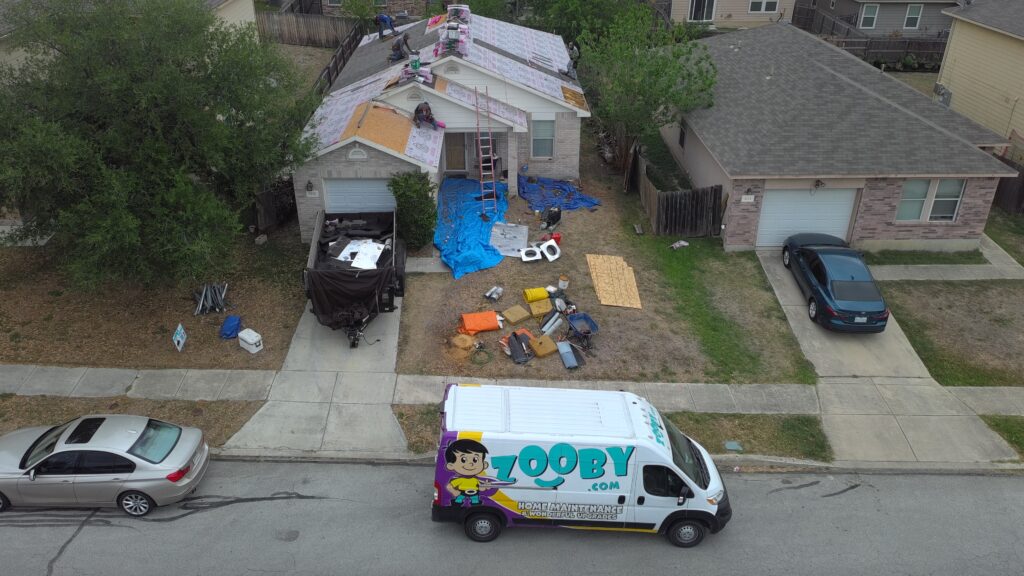
A Roof Is Never Just Shingles: Why Roofing Quality Shows Up in the Details
A roof problem usually does not start as a disaster. It starts small: a little wear at the edge, a vulnerable transition, or a place where water can get in if the detail work isn’t done right.
That is why roofing is not just about shingles.
A good roof depends on flashing, drip edge, trim details, and finish work that protect the most vulnerable parts of your home. These are the areas that help move water off the roof, protect exposed edges, and prevent small problems from becoming bigger ones.
At Zooby, we believe homeowners should understand what they are paying for. That standard already shapes how we approach exterior painting. A lasting paint job depends on prep, sequence, and attention to detail. Roofing is no different. The visible surface matters, but the details underneath and around it matter just as much. Lasting results come from preparation, sequence, and doing the work to a standard that holds up.
A Roof Is a System
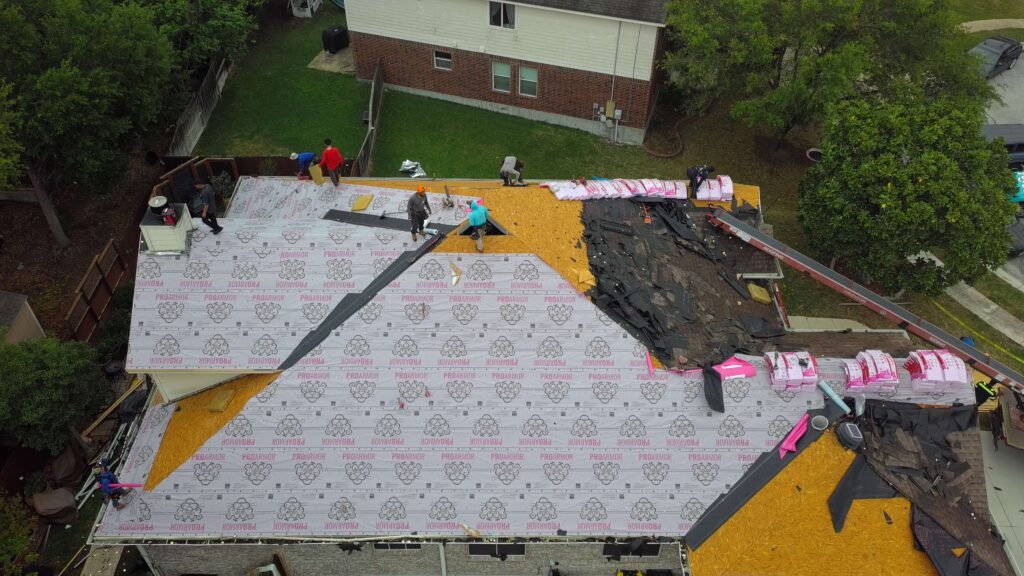
Shingles are one part of the system, but they are not the whole story. A roof also depends on the pieces that protect transitions, penetrations, and perimeter edges. Flashing helps protect chimneys, vents, valleys, and roof-to-wall connections. Drip edge helps move water off the roof and away from the fascia and roof deck. Trim and finish work help complete the roofline and tie the work into the rest of the exterior.
When those details are done well, the roof looks better and performs better. When they are rushed, even a new roof can have weak points.
We do not believe in telling homeowners to replace everything just because there is a problem. We believe in inspecting first, showing you what we found, and recommending what actually fits your roof.
Flashing Is Where Quality Becomes Real
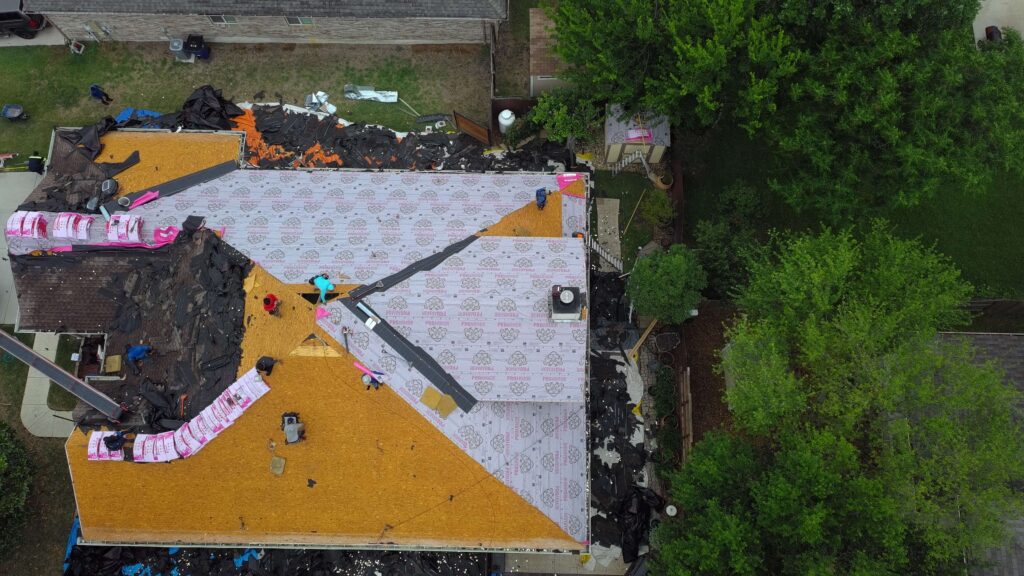
Many roof problems start at one failure point. It may be damaged flashing, a vulnerable valley, or a failed seal around a penetration.
That matters because homeowners do not just want a roof that looks finished. They want a roof that protects the areas where water is most likely to enter.
Flashing is one of those details. If it is handled carelessly, water can get behind the roofing system and create damage that is easy to miss at first. If it is handled correctly, it helps protect the very areas that tend to cause trouble later. That is why flashing is not a minor detail. It is part of what tells you whether the roof was done right.
Drip Edge and Trim Details Matter Too
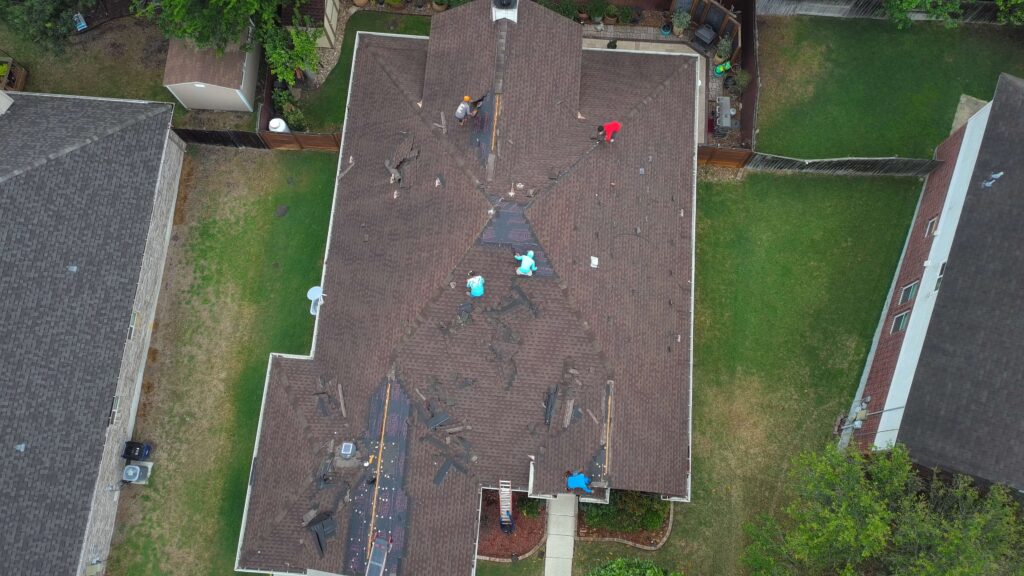
Drip edge does an important job at the perimeter of the roof. It directs water away from the roof edge and helps protect the surrounding woodwork. That matters for the roof itself, but it also matters for the rest of the exterior. When water is not managed properly, it can affect fascia, trim, and painted surfaces below.
That connection matters because the exterior of a home works as a single system. Roof edges, trim lines, paint performance, and water management all affect each other. That is why finishing work and trimming details deserve more attention than they usually get. They are not cosmetic extras. They are part of what makes the exterior look right and hold up over time.
Homeowners Deserve Clear Quality Standards
Many roofing companies talk about quality in vague terms. We do the opposite. We explain the process in plain language. We inspect first, document what we found, explain what is happening, and recommend the path that actually fits the home.
So when we talk about roofing quality, we should be specific. Quality means careful attention to flashing, drip edge, trim, and finish work. It means clean transitions at vulnerable areas. It means the roof is not only installed, but completed properly. It also means the homeowner understands what was done and why it matters.
That is how roofing should feel: clear, honest, and professional.
What You Should Expect From a Roofing Project
Most homeowners do not need a sales pitch. They need a clear answer.
You should expect to know the condition of your roof and understand its vulnerable areas. You should expect detail work that protects the edges, transitions, and penetrations where failures usually start. You should expect a finished result that looks clean and feels complete.
That is the same kind of clarity we bring to painting. A lasting paint job starts long before the first coat goes on, and the difference is in the preparation and the sequence. The same logic applies to roofing. A lasting roof depends on what happens at the details, not just what you see across the main surface.
The Zooby Standard
We do not rush. We do not cut corners. We do work you can be proud of for years.
In roofing, that standard shows up in the details. It shows up in flashing that protects vulnerable areas, a drip edge that helps move water where it should go, and trim and finish work that make the roof look complete and help the whole exterior hold up better.
Because a roof is never just shingles, and quality is never just what you notice first.

Jeffrey Eisenberg is a renowned optimization expert and co-author of the NY Times bestselling marketing books, such as “Call to Action” and “Waiting For Your Cat To Bark.” He co-invented the Persuasion Architecture framework, helping companies increase sales by over $1 billion. Jeffrey has trained and coached hundreds of companies, including Google, NBC Universal, and HPE, by optimizing their customer experience and sales processes using data-driven strategies. He excels at anticipating customer needs and driving innovation.